

SaaS platforms and digital products
SaaS platform development from idea to launch.
We build online products with subscriptions, user accounts and custom business logic. We help define the first release and develop your product after launch.

What stage isyour product at?
You have an idea
You have a hypothesis about the audience and value, but the first-release scope is not settled yet. We need to understand who the product is for and which workflow should work first.
Preparing your first release
You already have an MVP vision, a prototype or a feature list. The next step is to turn them into a working product: workflows, roles, interface and the technical base for launch.
Your product is live
The platform already serves users. You need new modules, more reliable integrations or architecture changes without interrupting day-to-day work.


What your SaaS platformcan include
Your platform’s scope depends on your business model and your users’ needs. Together, we’ll identify the right modules and priorities for the first release.
01/06
Accounts, teams and access
Registration, sign-in, workspaces and team invitations. We’ll configure roles and permissions so each team works with its own data and users can access the features they need.
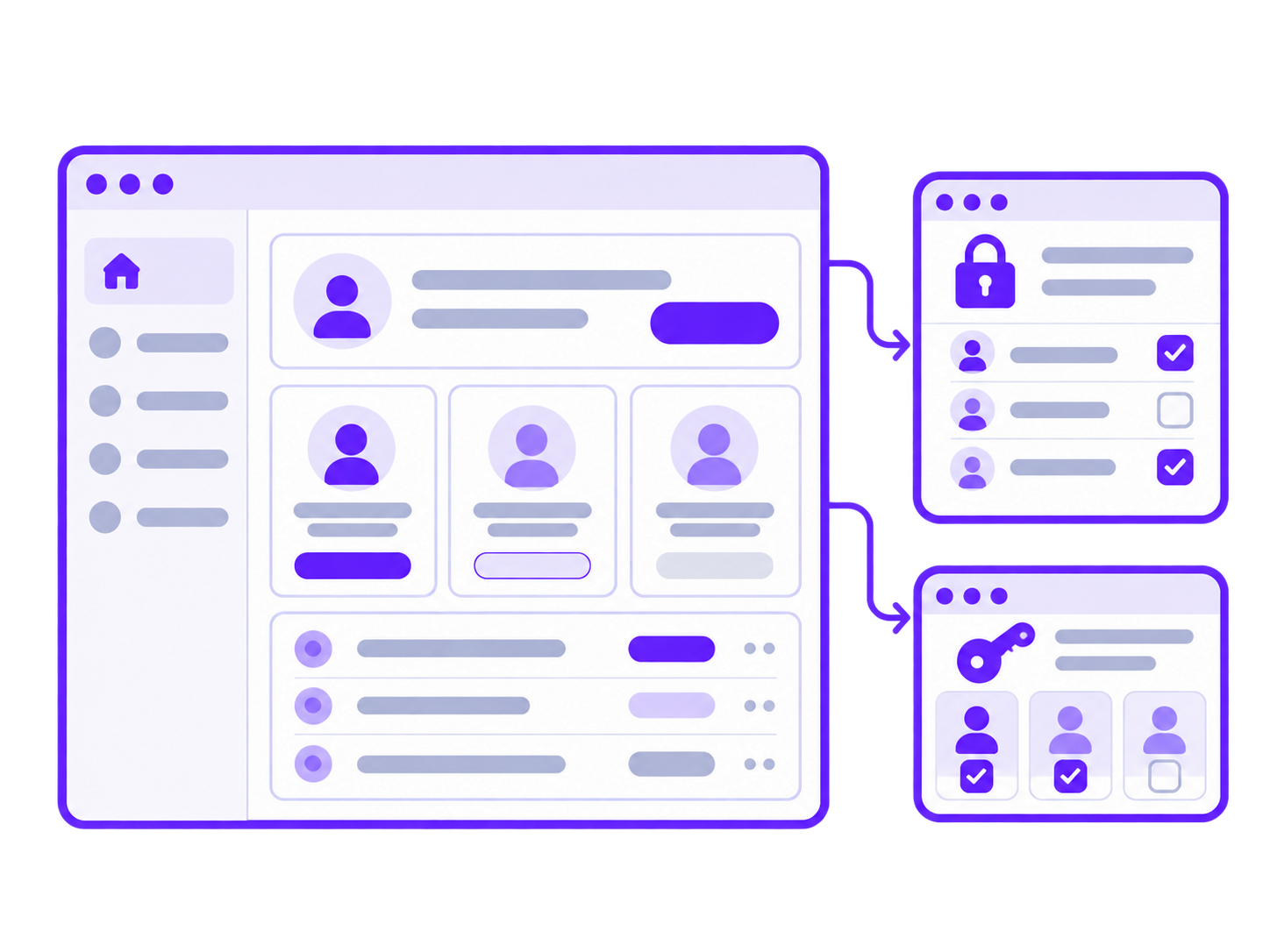
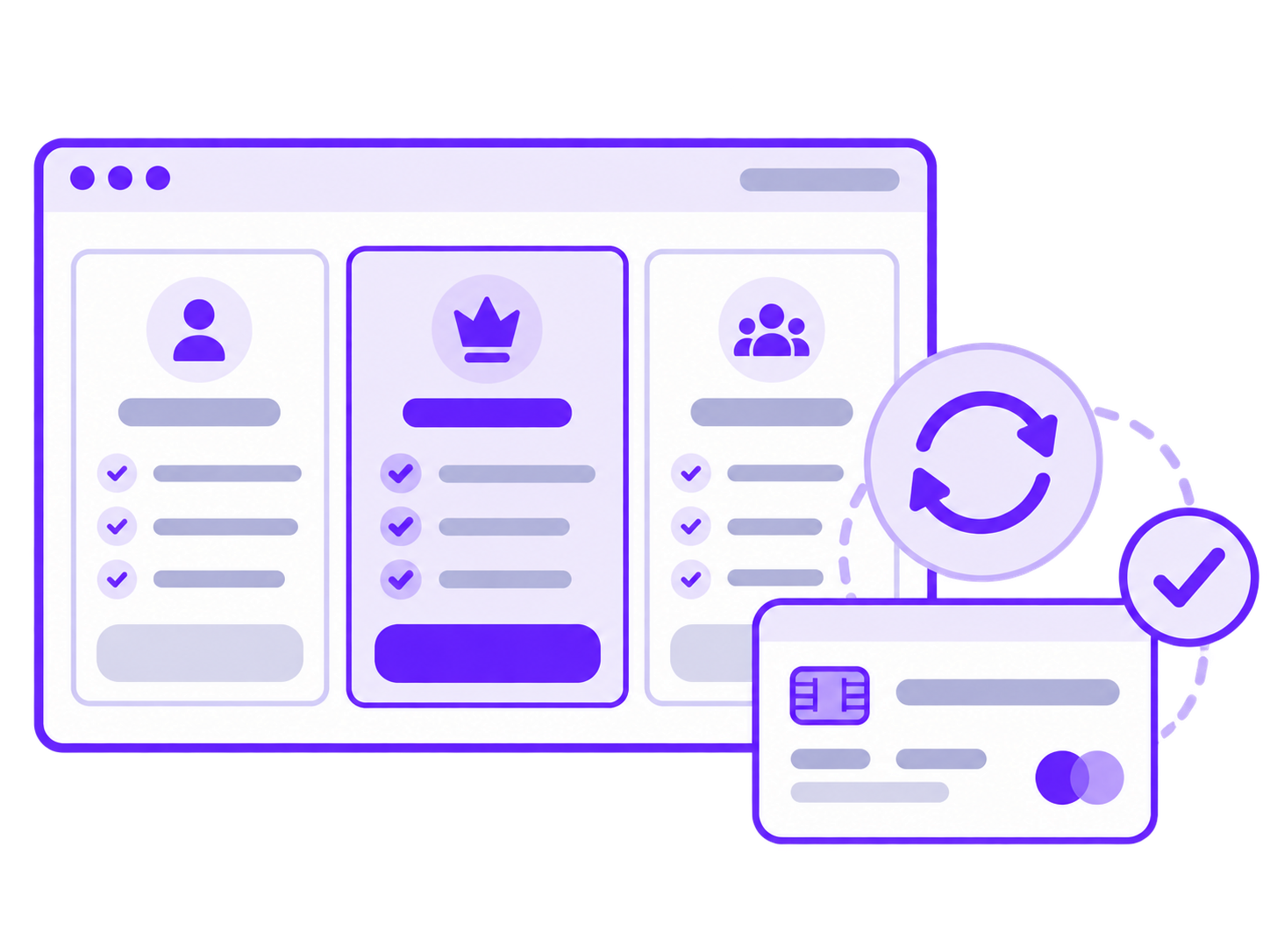
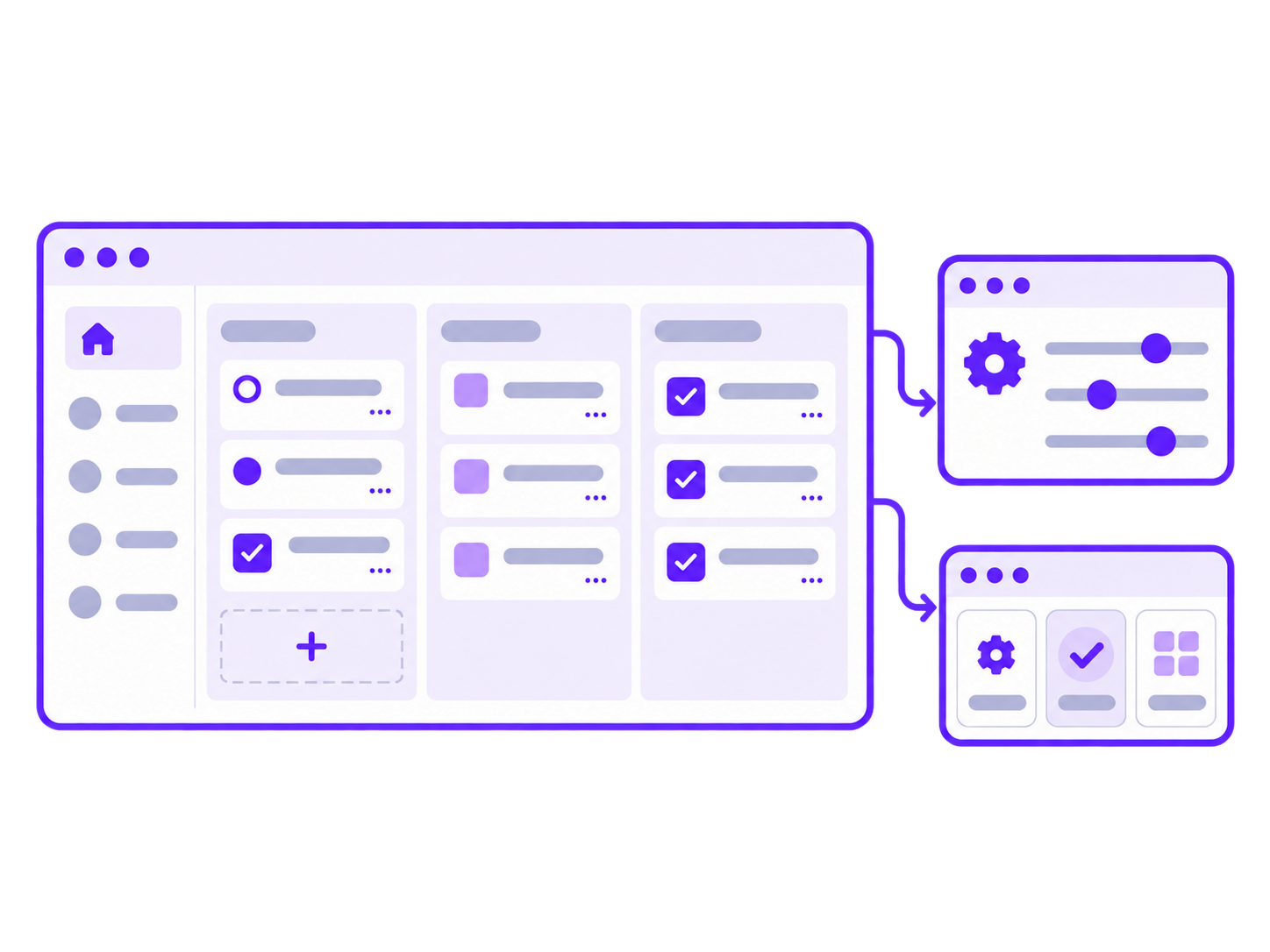
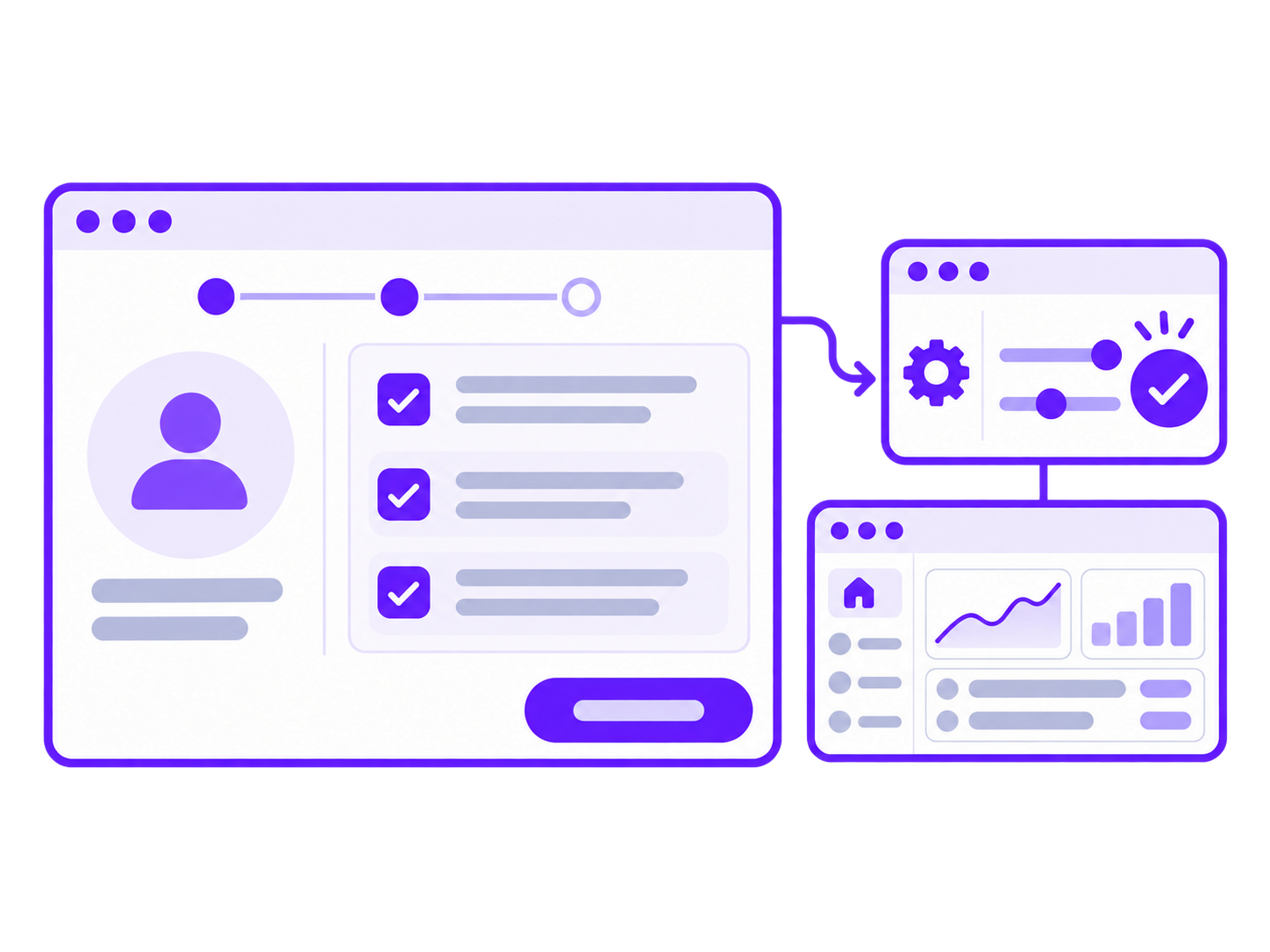
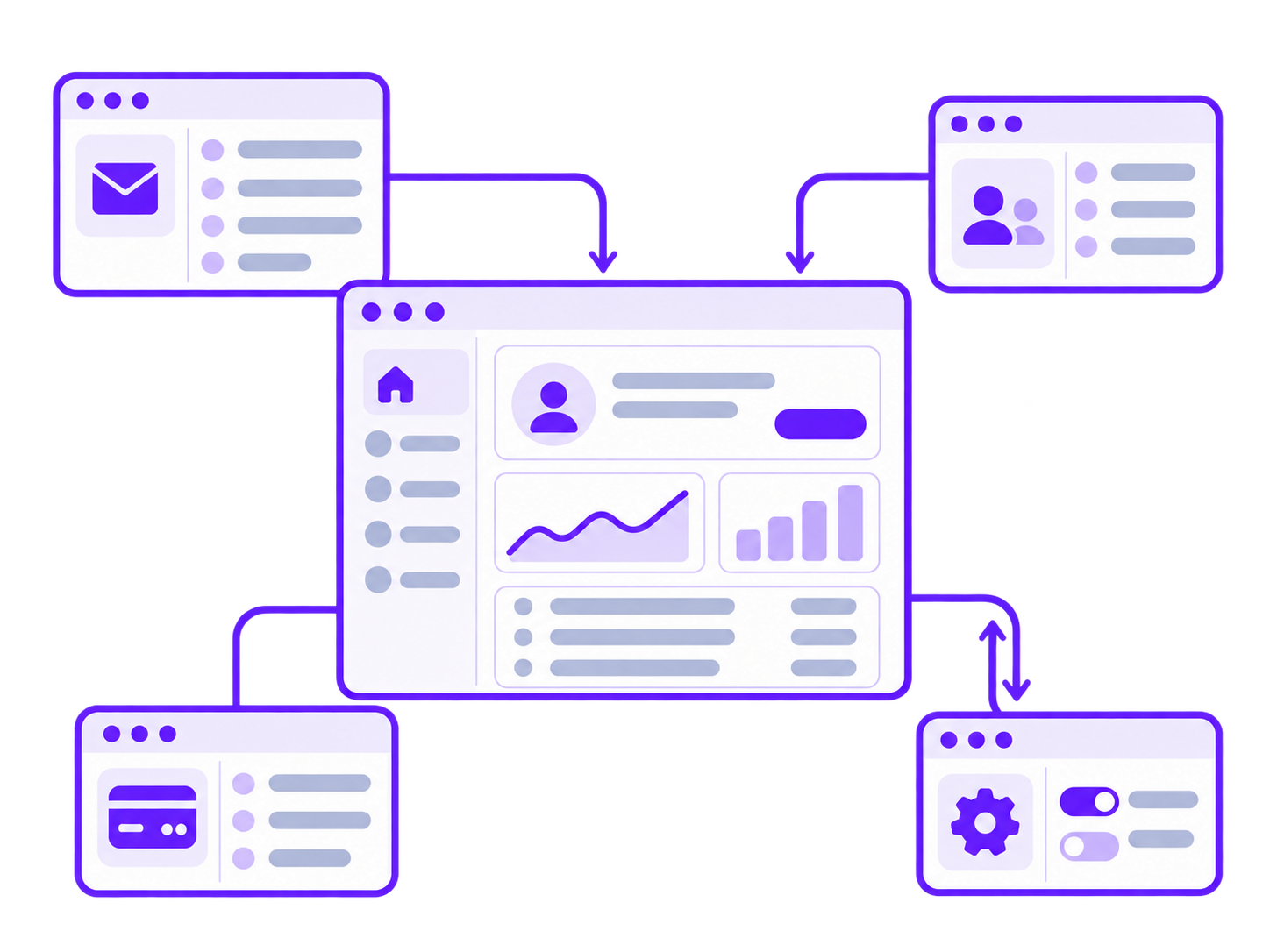
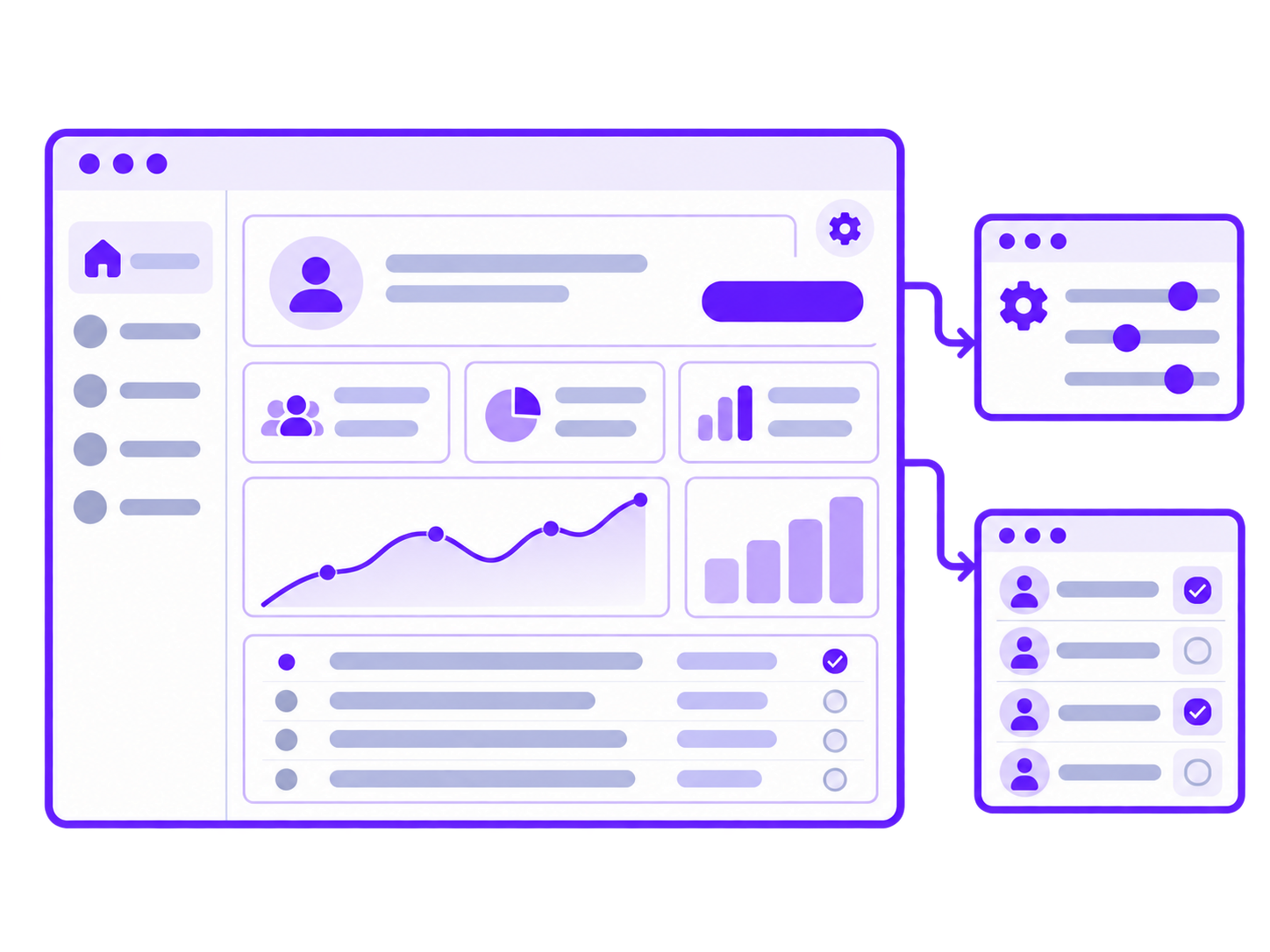
01 of 06: Accounts, teams and access. Registration, sign-in, workspaces and team invitations. We’ll configure roles and permissions so each team works with its own data and users can access the features they need.
Teams and permissions
Separate workspaces and clear roles for team members.
PRODUCT PRIORITIES
A focused first release.Development shaped by your users.
We define the core workflow and everything it needs to work. We plan further features around usage and user feedback.

Deliver the core value
The core workflow
The action people come to your product to complete.
Registration and access
The accounts and roles needed to use the first release.
Payments where needed
Subscriptions or another payment model if they are required at launch.
User feedback
A way to understand where people find value and where they get stuck.

Develop what your users need
New workflows and modules
Extend the product in response to validated needs.
Flexible ways to use the product
Add plans, limits or team features when the business model calls for them.
Integrations and automation
Connect services that support your users’ daily work.
Responding to growth
Improve performance and support based on real usage.
What we plan from the start
Customer data boundaries
For products used by multiple organizations, we define how their data and workspaces are separated.
Access permissions
We agree on who can see data and perform actions, and verify those rules.
Controlled releases
We plan checks, updates and data migration to match the product’s risks.
This is an example of how priorities can be grouped. Your business model determines the first release: payments, integrations or other modules may be essential from day one.
Experience with a product platform
A project involving teams, roles and connected internal workflows.

Internal product platform
Internal SaaS platform and system architecture
The task
Bring a product company’s internal team workflows and roles together in one environment.
Our work
We designed the architecture, a modular interface and workflows for operators.
An example of connecting roles, related workflows and a modular interface within one product.
View the case studyHow SaaS platform development works
From first-release goals to launch: each stage produces an outcome you can review and agree on.
01. Discovery
We agree on the audience, business model and core workflow. We identify which assumptions the first release needs to test.
First-release goals and criteria02. Planning and architecture
We define the MVP scope, priorities and dependencies. We design the data, permissions and necessary integrations.
Implementation plan with priorities03. UX/UI design
We design the journey from registration to the core action. We agree on screens, empty states and error messages.
Prototype and interface design04. Development
We build the product in parts and share working versions. Review feedback helps refine the next tasks.
Working product versions05. Testing
We check workflows, permissions, integrations and payments where included. We agree on critical fixes before launch.
Test checklist and known limitations06. Launch and ongoing development
We prepare the environment, materials and access for launch. After release, feedback and usage inform development priorities.
Launch and development priorities


How we estimatecost and timelines
The estimate is built from product inputs, not from a generic process checklist. The clearer these factors are, the clearer the scope, timeline and cost of the first phase become.
What shapes the estimate
First-release features
Which workflow must work in the MVP, and how many related screens, states and business rules it needs.
Roles and permissions
How many user types and workspaces are required, and how different their permissions need to be.
Integrations
Which services must exchange data, whether usable APIs exist, and how complex failure handling needs to be.
Existing materials
The design, code and data you already have, what can be reused, and what needs to be migrated or rebuilt.
Launch requirements
Expected usage, data protection requirements, hosting constraints and your target launch date.


ABOUT SAAS
Questions about SaaS development
Short answers to practical questions that usually come up before kickoff and after launch.

Before you start
Development and budget
After launch
Let’s discuss your product
Let’s plan the first releaseof your SaaS product.
Tell us who your product is for and the problem it needs to solve. We will identify what you need to get started and which questions to clarify before estimating the work.