

CATALOG · CHECKOUT · PAYMENTS · SUBSCRIPTIONS
Catalog, checkout and subscriptions built around your offer.
We build and improve individual parts of an online store, from product discovery to checkout and recurring purchases. A clear interface works with the rules behind your catalog, payments and subscriptions.
Start with one module in your existing store or plan the right buying journeys for a new one.
Which part of the purchase needs to change?
Choose the closest problem. We will identify what needs to change in the interface, data and integrations.


FOUR AREAS OF DEVELOPMENT
From the right product to the next purchase
Each module can be developed separately. When the task spans several stages, we align the rules and test the complete buying journey.
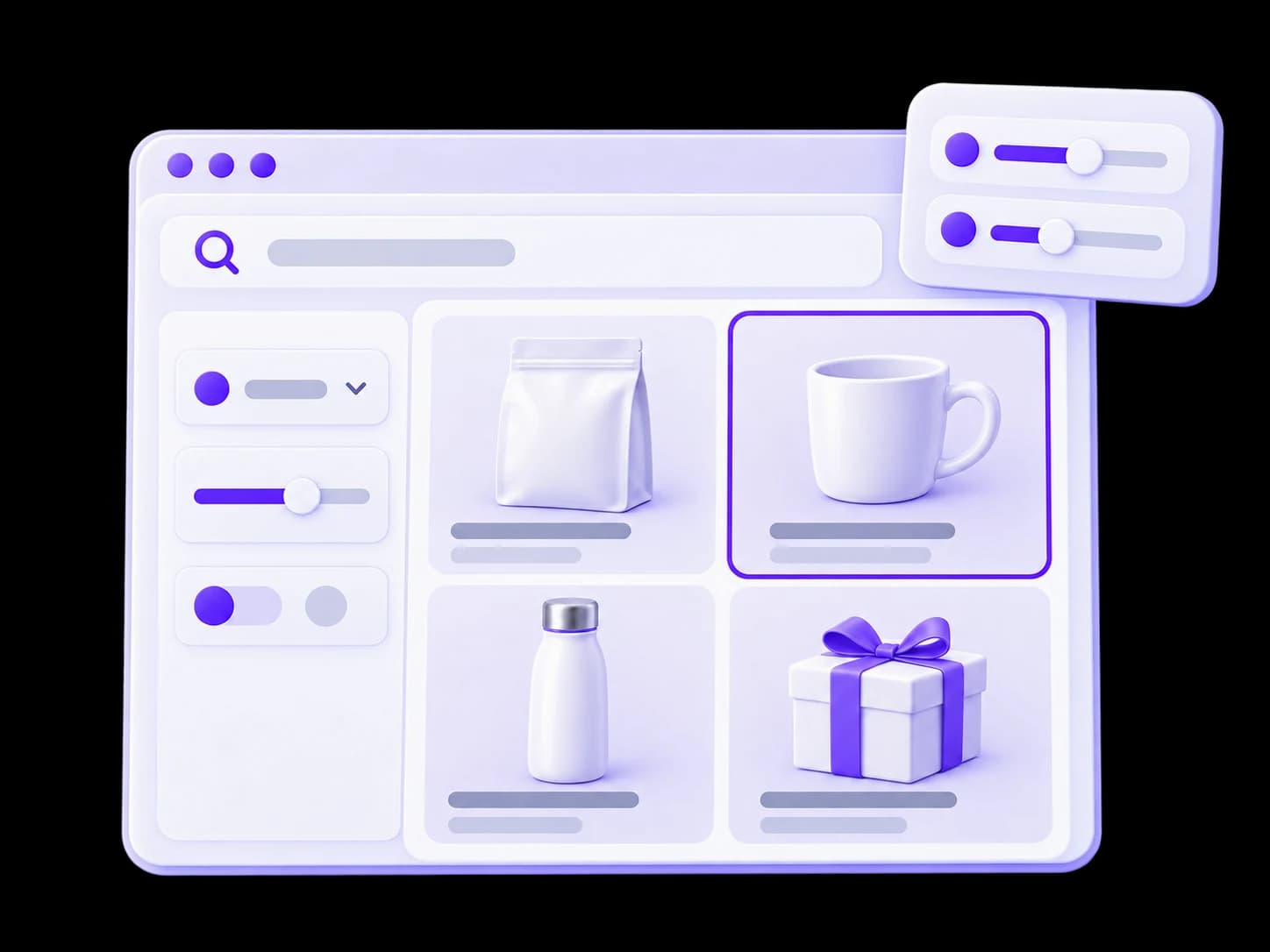
Custom catalogs and search
Help customers navigate products with multiple attributes, variants and selection rules. We design category structure, filters, search and product pages. Each choice connects to a specific variant, its price and availability.
- Categories, filters and helpful empty search results.
- Attributes, variants and valid combinations.
- Product data exchange with your existing systems.
Customers understand what they are choosing and the terms of that exact offer.
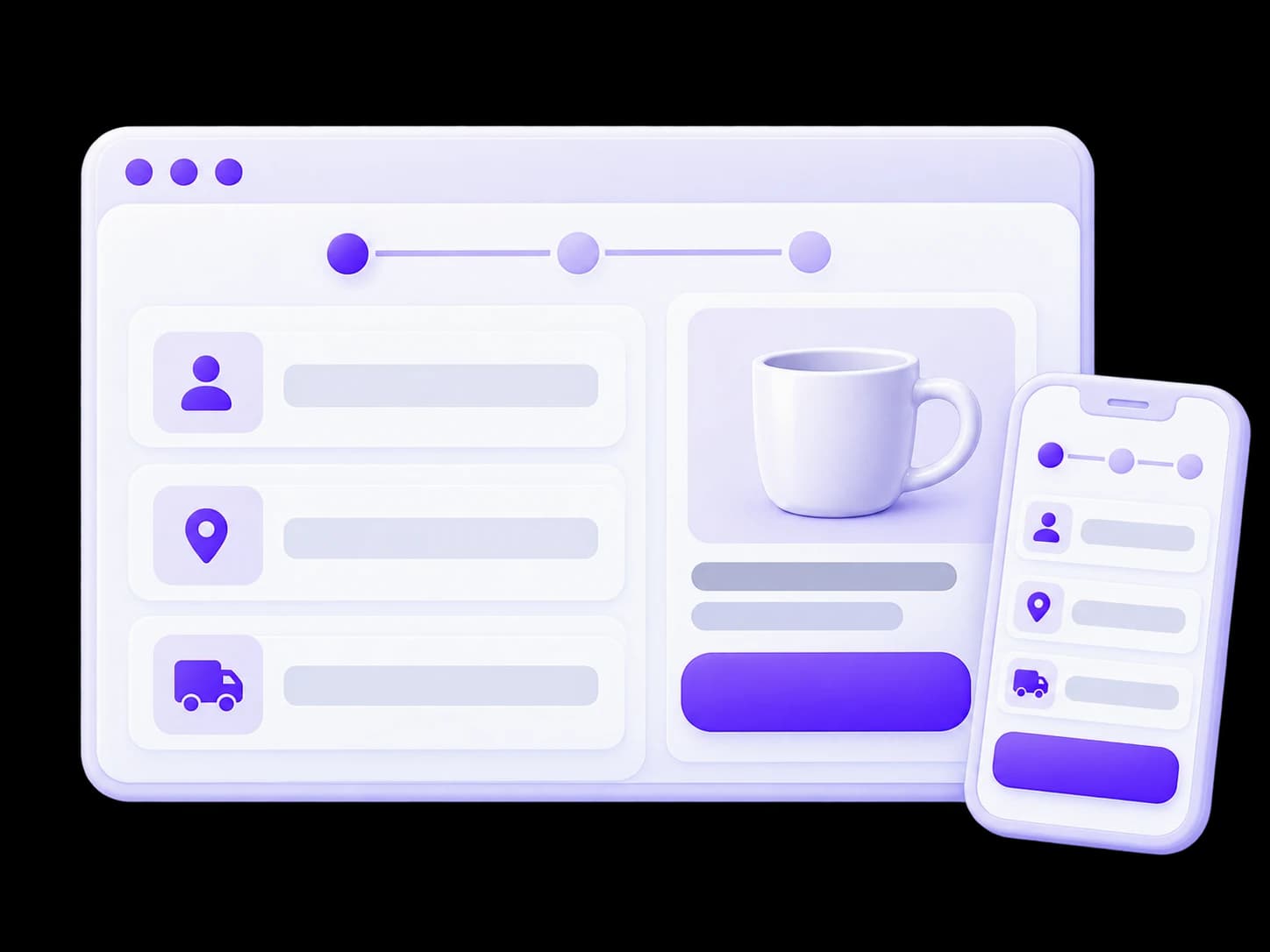
Cart and checkout
Reshape checkout around real purchases. We define the necessary fields, delivery options and sequence of steps. Customers see the total before confirming, receive useful error messages and keep their entered details when returning to a previous step.
- Mobile checkout and guest purchases where appropriate.
- Delivery terms, promotional codes and cart contents.
- Input validation and recovery from errors.
Customers can see the amount, terms and next step before completing the order.
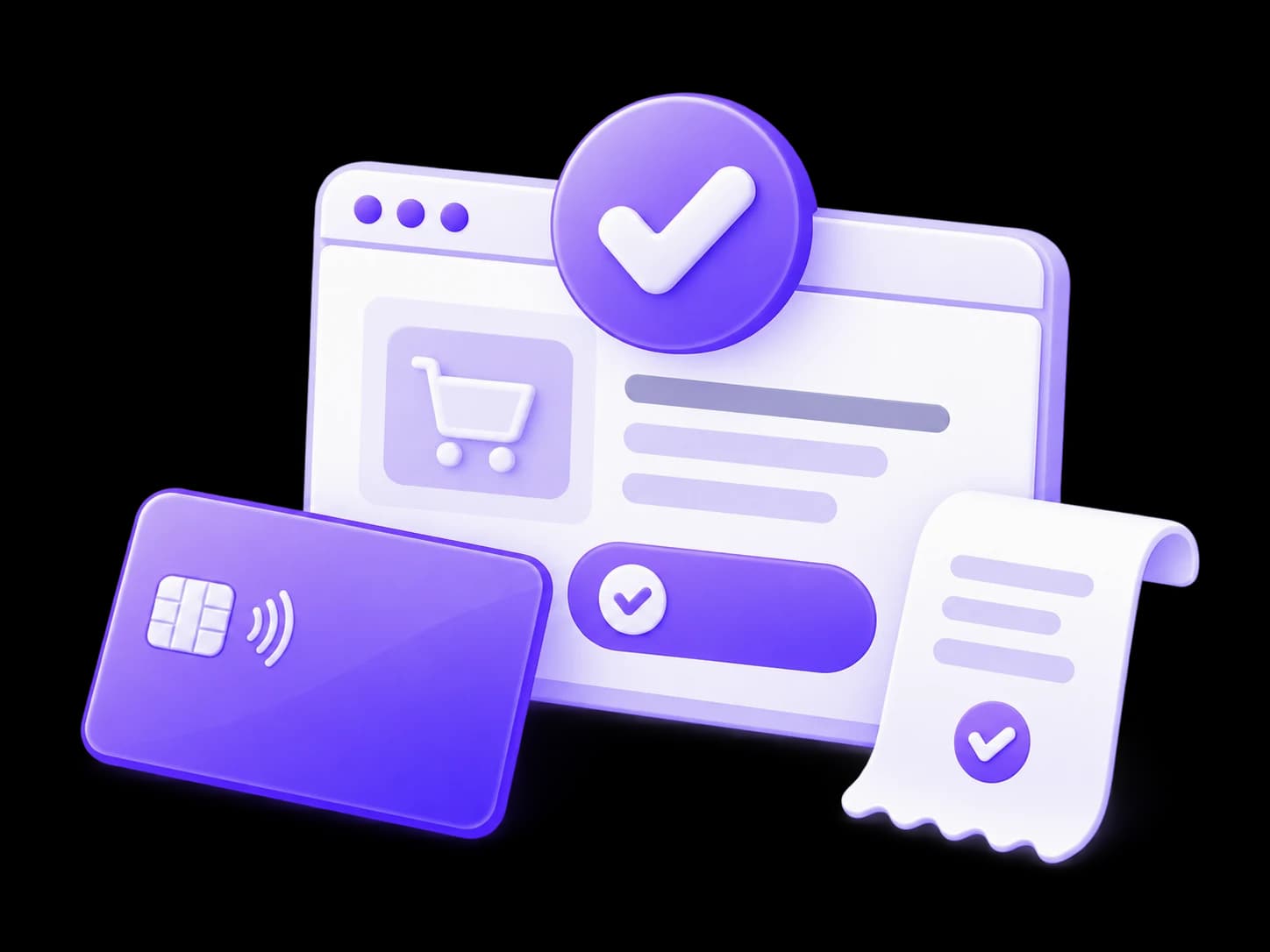
Payments and payment status
Connect a payment service and map its confirmations to order status. We handle success, pending confirmation, declines and another attempt separately. Customers see the actual state, while your team can tell whether an order is ready to process.
- Payment methods available to your business and customers.
- Provider confirmations and protection against duplicates.
- Agreed refund and transaction reconciliation workflows.
Payment status has a clear, reliable relationship with order status.
Subscriptions and recurring purchases
Design recurring orders and subscription management in a customer account. We define frequency, product selection, changes, pauses and cancellation. If automatic charges are needed, we check the payment provider’s capabilities and plan what happens when a charge fails.
- Frequency and terms of the next order.
- Product changes, skips and pauses under agreed rules.
- Notifications and actions when payment is not confirmed.
Customers know when the next purchase will happen and how to manage it.
A CUSTOMER ACCOUNT EXAMPLE
One subscription. A clear status at every step.
Switch the state to see how the customer’s information changes. A subscription, payment and order each have their own status; the interface explains them together.
Demonstration · illustrative subscription
The current purchase is paid for. Settings for the next cycle appear separately so customers understand which purchase a change will affect.
The customer’s view
Coffee subscription
UAH 900 every 4 weeks
Active
- Subscription
- Active
- Latest payment
- Confirmed
- Next charge
- In 4 weeks
- Order
- Sent for processing
- Next step
- Change the next delivery or pause future subscription cycles.
These are independent state examples, not a real subscription. The demo creates no orders and takes no payments. We agree the rules for your service separately.
The rules we agree before implementation
A clear screen depends on clear rules. We define them before integration so the same action produces consistent results in your store and operational systems.
Which data defines the offer
Where attributes, prices and stock come from. Which variants can be combined and when availability must be checked again.
When a purchase is confirmed
Which event confirms payment, when an order is created and what the customer sees while an external service responds.
What changes the next cycle
When product or date changes are allowed, how pausing works and which notifications customers receive.
How exceptions are handled
What happens after a repeated notification, declined payment, refund or delayed data exchange. Which cases need the team’s attention.


Related work from our projects
Two examples of custom catalog, checkout and subscription journeys within a broader buying experience.
COFFEE E-COMMERCE
Managing purchases after the first order
A coffee platform connects product recommendations with subscriptions. Customers can swap a product, skip a delivery or pause recurring purchases. For this service, the relevant part is the connection between the catalog, product choice and ongoing subscription management.
- Product changes
- Delivery skips
- Subscription pauses
FLOWER DELIVERY
Clear product choices and structured checkout
A flower store with an organized catalog and information about size, price and delivery. Step-by-step checkout and a responsive interface support the journey from choosing a bouquet to placing an order.
- Catalog
- Checkout
- Mobile journey
Introduce changes in manageable stages
01. Agree the journey and prototype
Review the current platform and choose the first task. Test the interface against the main journey and error states.
Agreed rules, a prototype and a defined scope.02. Build the module and test its connections
Implement the logic and connect data and external services in a test environment. Check statuses, repeated actions and order handover.
A test version with verified scenarios.03. Connect it to the live store
Plan the switch, check analytics and prepare instructions. Monitor initial operations after launch and define the next improvements.
A working module and a clear support process.


WHERE WE START
Show us the journey that is difficult today
A store link or a description of your idea is enough to begin. We can examine one product, one checkout or one subscription cycle.
Discuss my requirementsA finished specification is not required. After the initial review, we will define the first stage and the information needed to estimate it.
An example purchase
What the customer chooses, which terms they see and where the difficulty appears.
The current platform
Where products are stored, how payments are accepted and where orders are sent.
The change you need
Which journey should work first and which constraints need to stay in place.


QUESTIONS & ANSWERS
Questions about catalogs, payments and subscriptions
Catalog, checkout, payments, subscriptions and rollout into an existing store.

Questions and answers
START WITH YOUR REQUIREMENTS
Turn a difficult stepinto a clear purchase.
Tell us what needs to change in the catalog, checkout, payments or subscriptions. We will map the system connections and define the first stage.